Rail, Pipeline & Tanker Vessel Logistics
Moving crude oil and refined products between berth, tank farm and inland markets by tanker, pipeline and rail.
Multi-Modal Product Movement
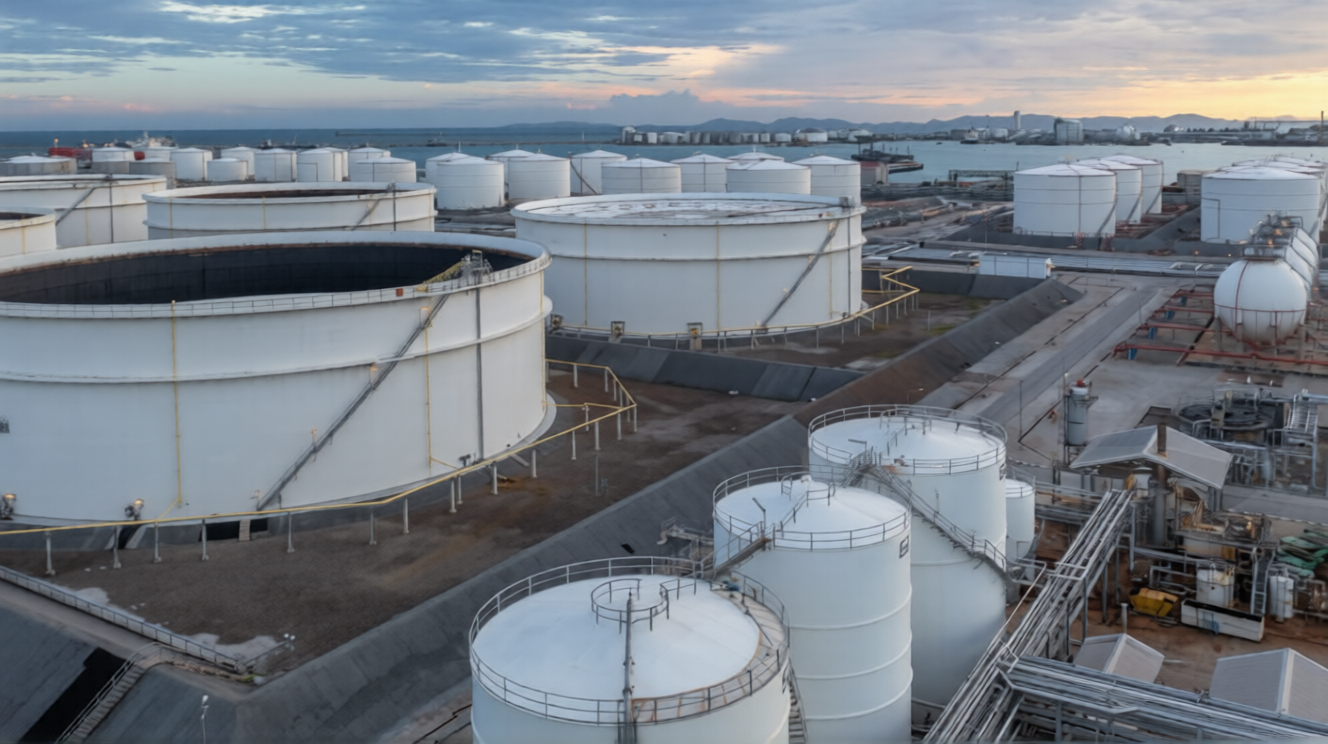
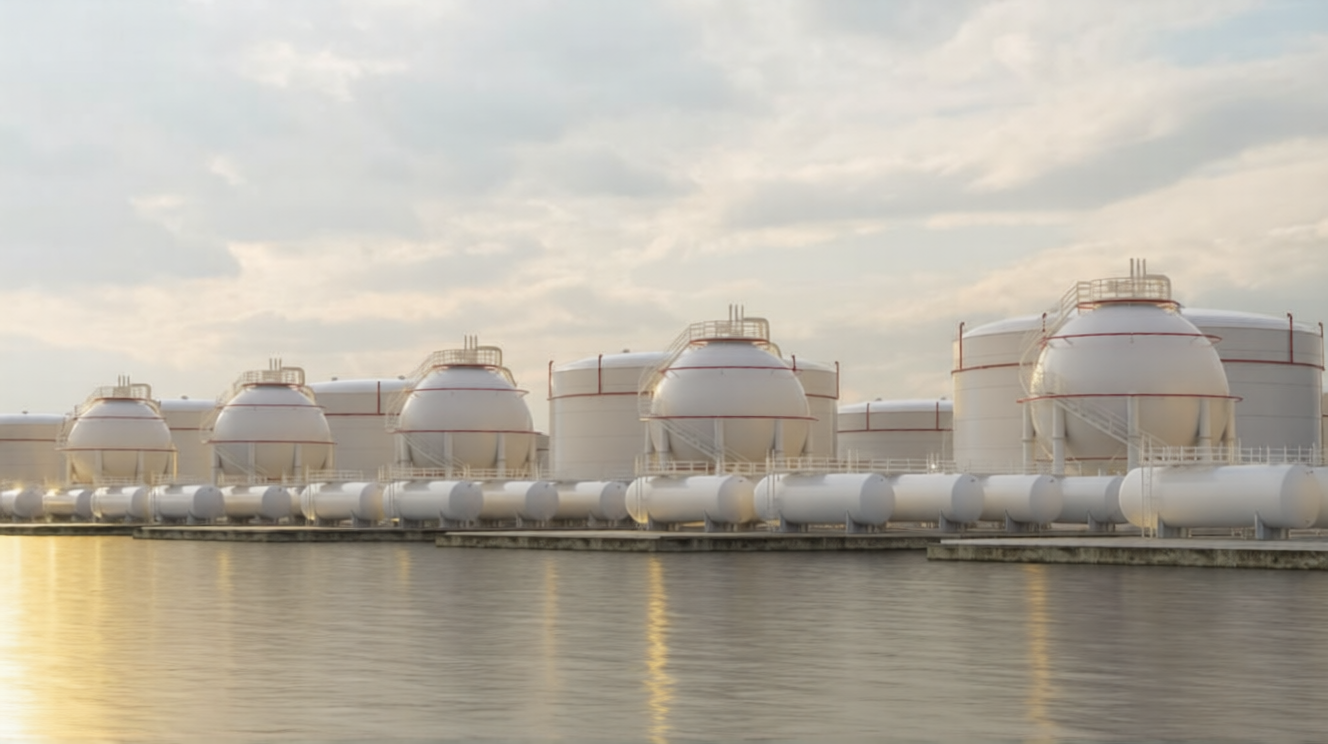
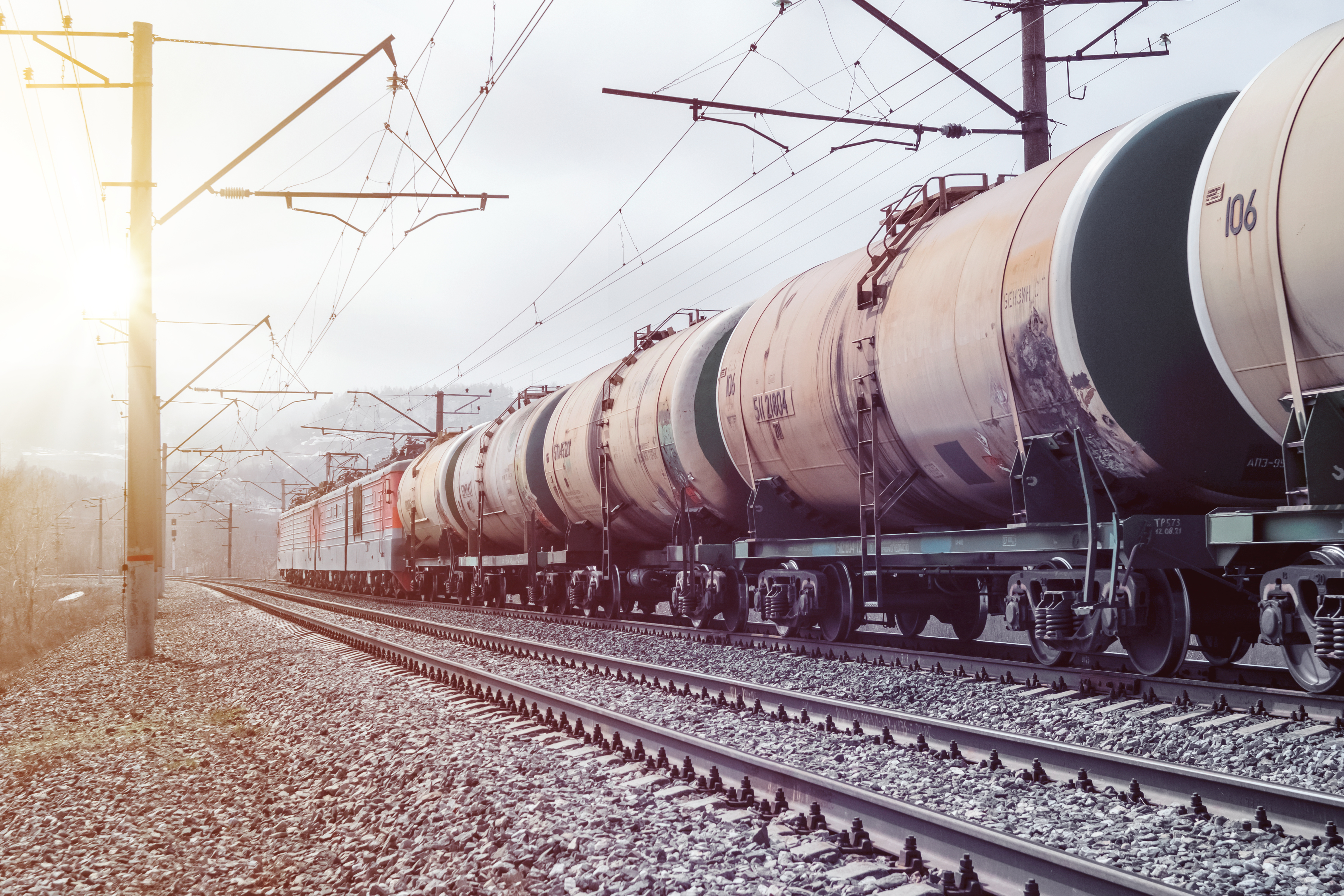
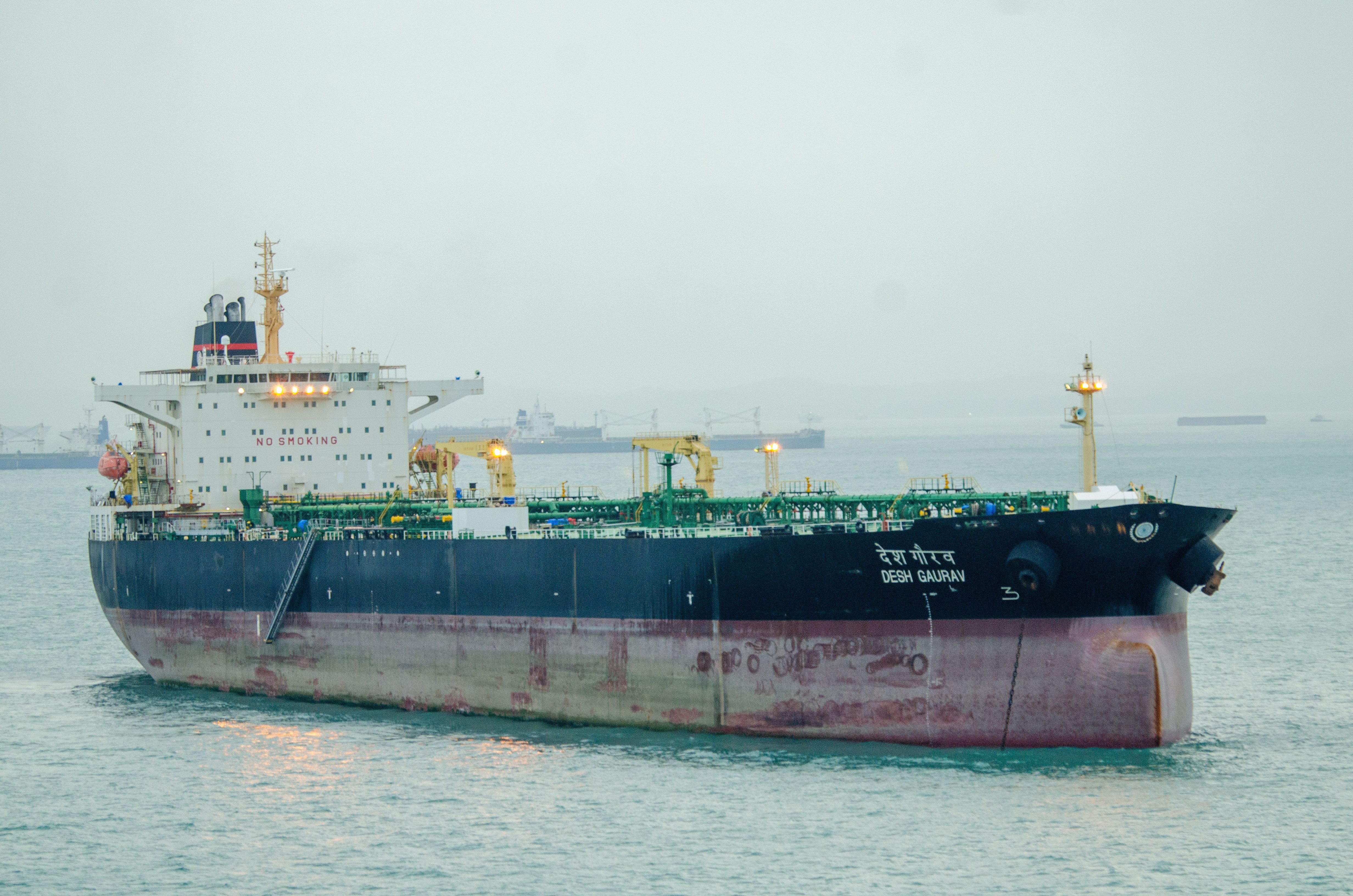
Our terminals connect three modes of transfer: tanker vessel, pipeline and rail. Crude oil and refined products arrive by sea at our deep-water jetties, move into segregated tank storage, and leave by whichever route best suits the customer, whether that is a dedicated pipeline to an inland refinery or a rail-served loading rack.
Every movement is scheduled and supervised by our terminal control room, coordinating vessel arrivals, pipeline nominations and rail wagon availability so that cargo keeps moving without unnecessary demurrage or delay.
Industries Served
- Crude Oil Trading & Refining
- Refined Fuel Distribution
- Petrochemical Manufacturing
Services Offered
- Tanker Vessel Berthing
- Pipeline Transfer
- Rail Loading & Discharge, 24/7 Support
Our tanker berths accommodate vessels from Aframax to VLCC size, with pilotage, tug assistance and marine coordination handled by our own harbour teams at each site.
Pipeline connections link berth and tank farm directly to inland refineries, cutting out unnecessary handling, while rail-served racks allow product to reach distribution networks that pipeline alone cannot serve. Customers can mix and match transfer methods within a single terminal call.
Capabilities:
Deep-water jetties, dedicated pipeline corridors and rail loading racks are supported by a terminal control room that schedules vessel, pipeline and wagon movements against real-time tank inventory, keeping cargo moving with minimal turnaround time.
Benefit:
Customers benefit from flexible onward routing, reduced demurrage through efficient berth scheduling, and the option to blend or hold product in tank before choosing the most cost-effective transfer method to market.
Main Services
Fill The Form To Receive A Call!
We can help you plan tanker, pipeline or rail movements through our terminals.